By Marc Nicholas, Managing Director — GROUPN
In 2018 we wrote an article called “Breaking the Club Mould.” It was intended to provoke a conversation amongst Club CEOs, Managers and Boards about what was holding Clubs back and what they could be doing differently. It was widely circulated. Much of the feedback was positive. Some was defensive. Both reactions told us something useful.
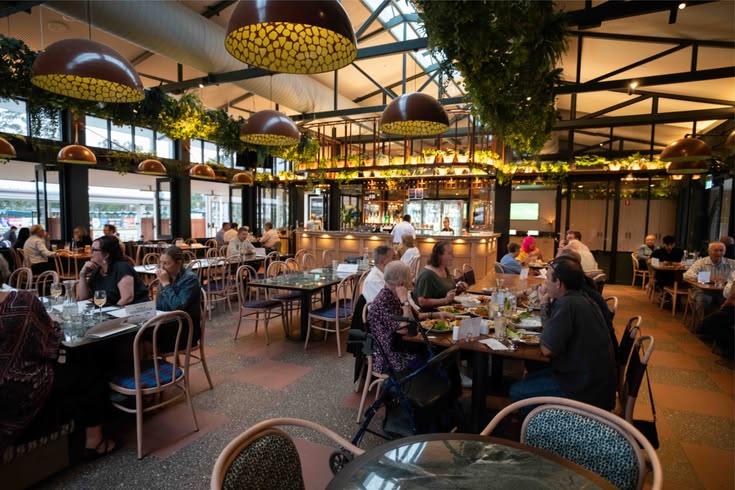
Eight years on, the Clubs that heeded the call have flourished. Their gaming revenues have grown despite significant political and ethical pressure on the industry. Their food has improved. Their venues feel current and welcoming to a broader demographic.
But the gap between those Clubs and the ones that haven’t changed is widening. For some — particularly bowling clubs that remain board-driven and bowls-first with outsourced catering and ageing membership bases — the trajectory is genuinely concerning. The core argument of the original article hasn’t changed. But the context has, and the stakes are higher.
What we don’t mean?
Breaking the Club mould is not about abandoning what makes Clubs great. The cooperative model — member-owned, community-focused, not-for-profit — is a genuine competitive advantage that commercial operators can’t replicate.
What we are talking about is breaking away from the habits that have calcified in some Clubs over decades. The belief that Clubs should provide heavily subsidised food and drink. The outsourced catering with no brand ownership or quality control. The reluctance to raise beer prices because the Board resists or the members kick up a stink. In 2026, that conversation should be well and truly over.
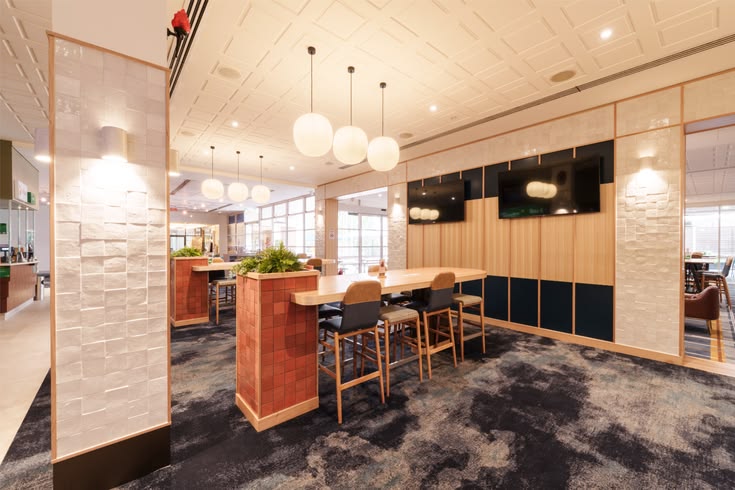
At its core, breaking the Club mould means evolving from value-driven benefits to value-added experiences — making your venue a genuinely compelling choice for a broader demographic with higher discretionary spending.
Can you pivot toward a growing target market?
The first step is understanding who your market actually is today — not who it used to be.
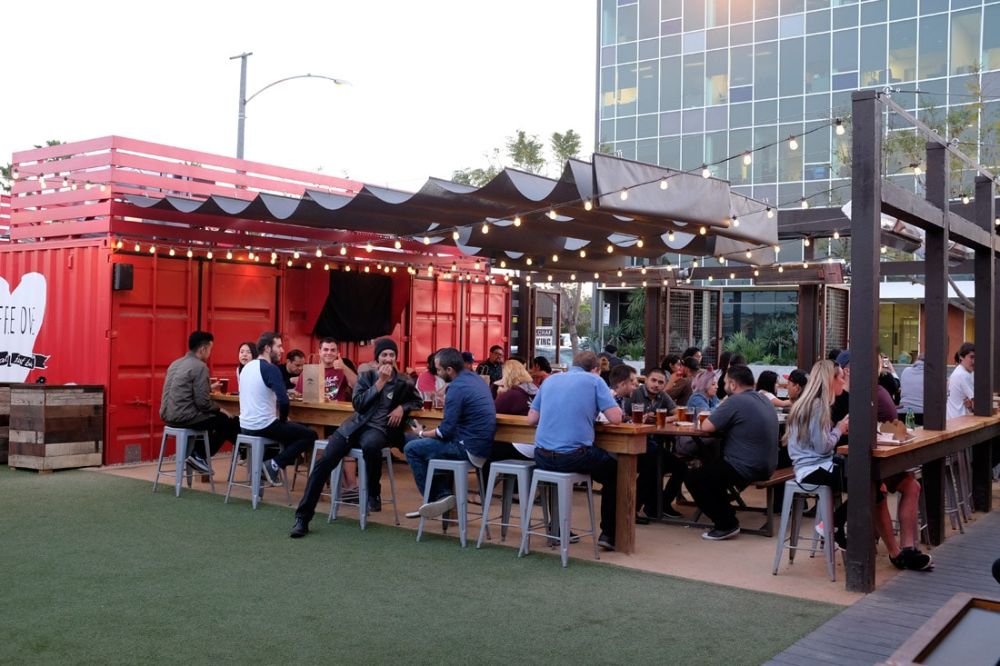
We are working with a bowling club in an inner suburban location whose surrounding demographic has shifted dramatically. The post-war bungalows that once housed its core membership have been replaced by apartments. The older bowlers have moved on. Professional couples and families have moved in — and what they’re missing in their apartments is space, and in particular outdoor space.
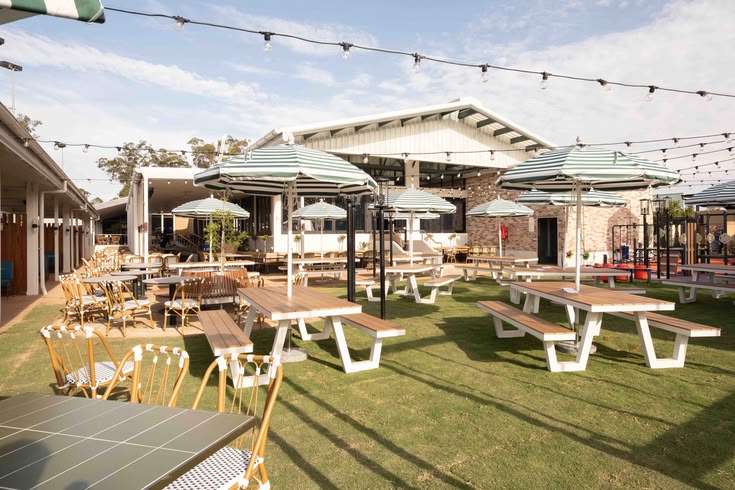
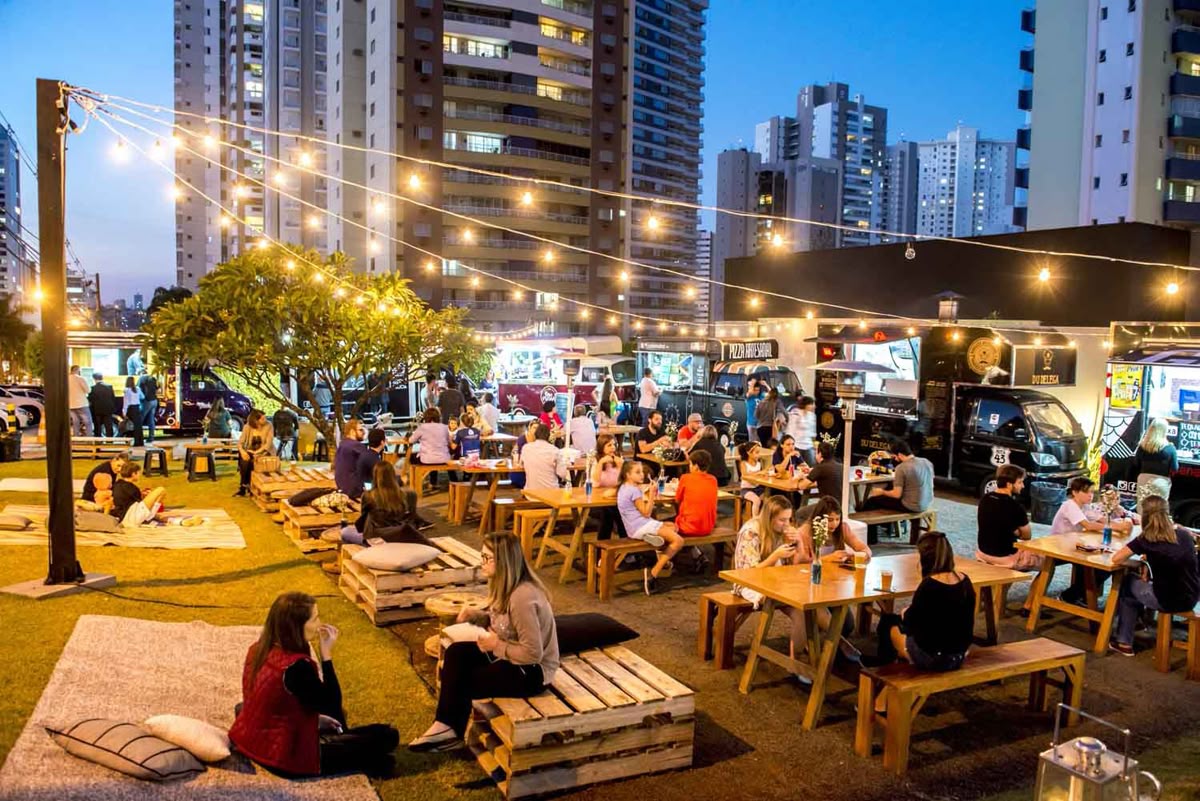
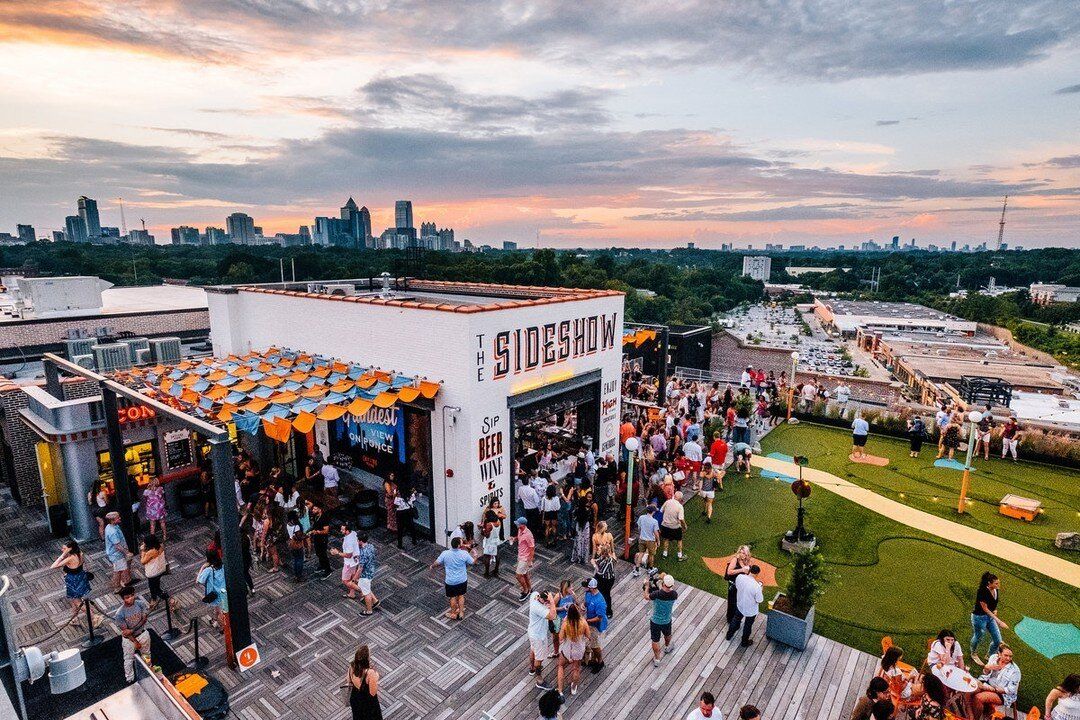
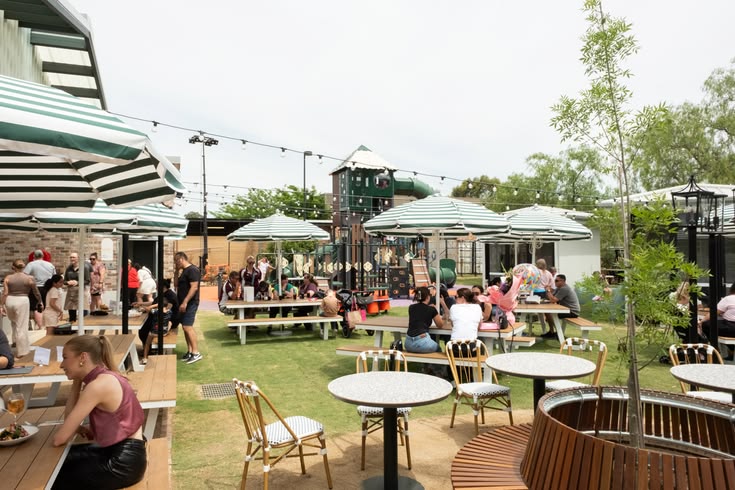
In the past, Clubs offered a better living room than most people had at home. That’s no longer a differentiator. What many people genuinely lack is a great backyard. For this Club, the pivot is to provide exactly that — outdoor socialising space, barefoot bowls, live music, genuine food, segmented for different user groups. Identifying your target market and being honest about how well your current offering speaks to them is the starting point for any meaningful change.
Can you pivot by segmenting your venue?
Being welcoming in principle is not the same as feeling welcoming in practice. Segmentation — dividing your venue with physical or implied boundaries to accommodate different user groups with minimal conflict — is one of the most powerful tools available to Clubs.
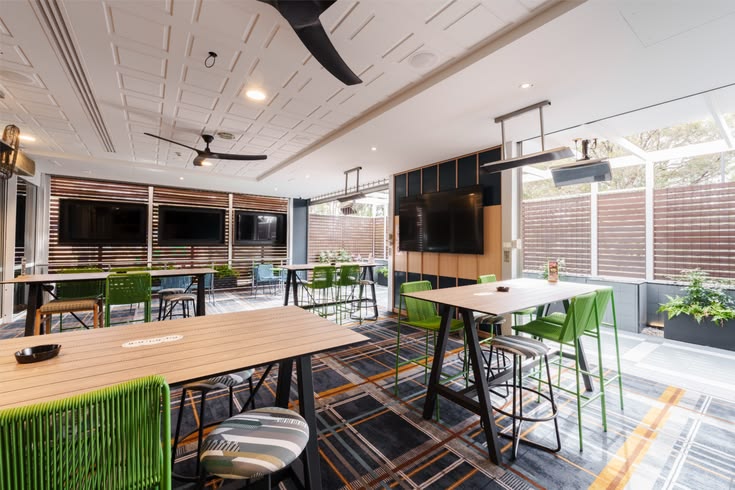
Can you provide a sports bar with direct foyer access for the after-work tradie crowd without them filtering through your main lounge? Can you create a genuinely engaging kids’ space — one that keeps children of all ages including teens off their devices — without that energy disrupting your quieter dining areas? Segmentation done well makes every user group feel the venue was designed with them specifically in mind.
Can you pivot from a sporting focus to entertainment and lifestyle?
This question is particularly pointed for bowling clubs. The landscape has diverged into three groups.
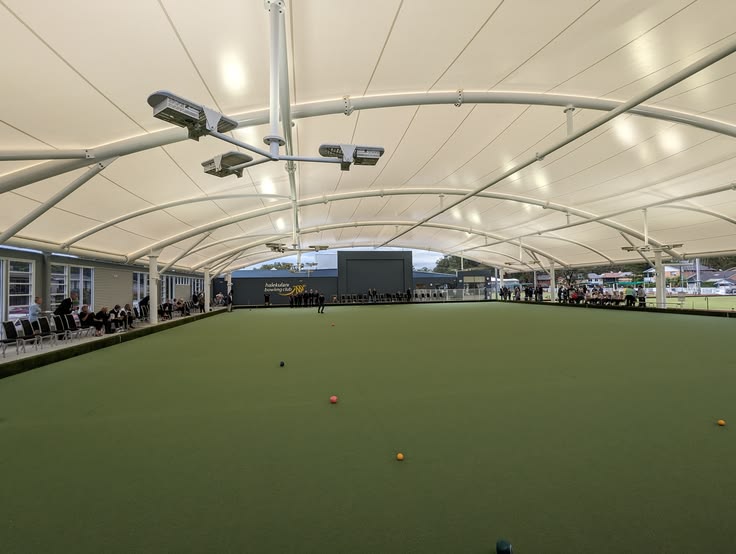
The first has doubled down on bowls — covered synthetic greens, tournament infrastructure, positioning as genuine bowls destinations. Few and far between, but viable where the scale and catchment support it.
The second — and smartest pivot for most — has recognised that for bowls to survive, hospitality has to come first. Give up a green, reduce greenkeeper costs, redirect that space to outdoor family-friendly social areas. Barefoot bowls stays — but as entertainment, not as the venue’s reason for existing.
The third group is still waiting. The board is still dominated by bowlers. The outsourced caterer is still in the kitchen. The membership base is still ageing. These clubs are not yet in crisis — but the runway is getting shorter.
The same logic applies to any Club carrying underperforming legacy facilities. Darts rooms, snooker tables, other sporting infrastructure that occupies floor space, serves a declining constituency and generates minimal revenue. What is the ROI on that space, and what else could it be?
Can you pivot from value-driven product to value-added experience?
Customers want quality and experience and will pay for it — but it has to be genuine and consistent. Cost of living pressures have sharpened this: a premium price point on a mediocre product is more damaging than ever.
The Clubs getting this right have found their niche and committed to it. A particular cuisine. A standout beverage program. A live music offering. Australians are drinking less but spending more per drink — a well-curated beverage program that reflects your demographic is increasingly a real point of difference.
Can you challenge the assumption that food is too hard to do yourself?
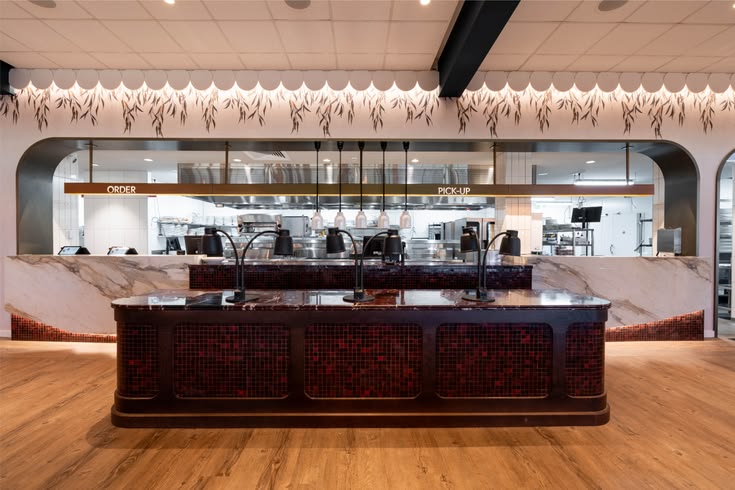
The Clubs that have taken genuine ownership of their food are consistently outperforming those that haven’t — across gaming revenue, visitation frequency and overall venue performance. The management skills required to run a good food operation are different from those required to manage a gaming floor, and some Clubs have learned this the hard way. But the café down the road has figured it out. The question is whether your Club is ready to build or acquire the capability to do the same.
Can you pivot into left-field offerings that use underutilised assets?
One of our clients has partnered with a weekend market operator — hosting a Saturday morning market in their car park and on a reduced bowling green. The Club receives rental income, hundreds of new visitors are exposed to the venue each week, and the Club has launched its own coffee operation with the market as its launching pad — cleverly negotiating to exclude a coffee cart from the market itself.
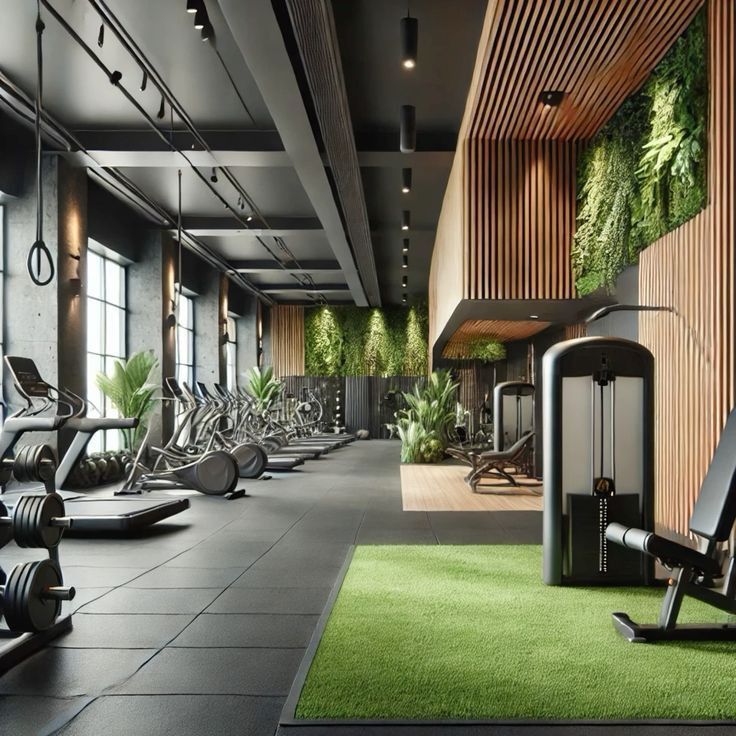
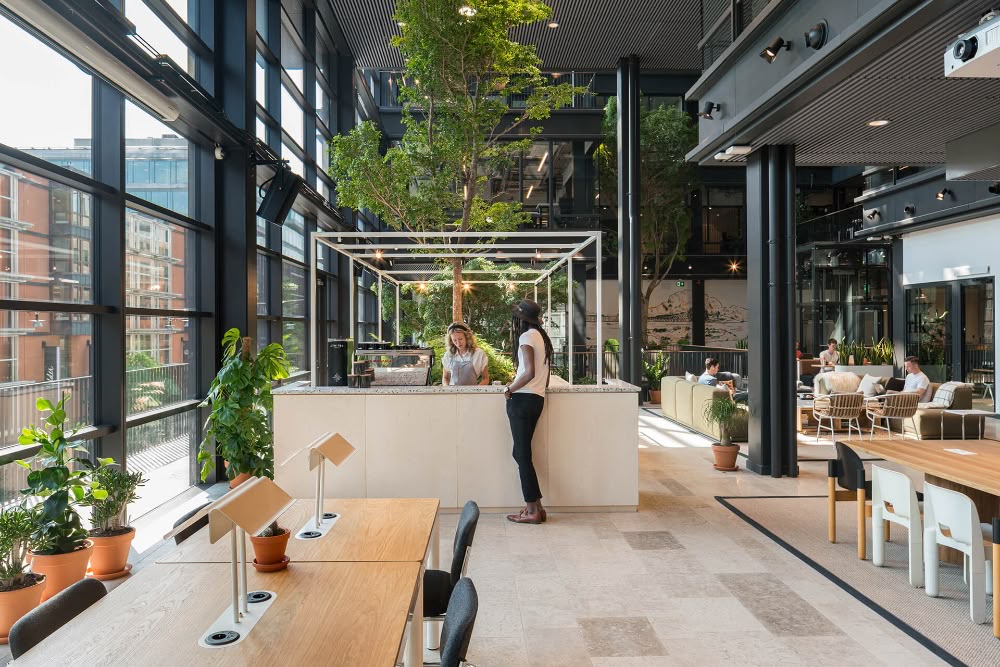
Flexible workspace is another underexplored opportunity for Clubs in inner suburban and CBD-fringe locations. The hybrid working model has permanently changed where people work. Clubs with underutilised function rooms and lounge areas during the week are sitting on an asset the flexible workspace market is actively looking for. And wellness — allied health, recovery, social wellness programming — is an emerging category that Clubs, with their community authenticity and existing facilities, are genuinely well placed to offer.
Is your Club ready to think differently?
In 1997 Apple was on the brink of bankruptcy. The Board made a risky call — brought back Steve Jobs — and launched the Think Different campaign. The rest is history.
Breaking the Club mould is about thinking differently. Not doing things the way they’ve always been done. Looking for opportunities to differentiate, add genuine value, and charge appropriately for it.
The Clubs thriving in 2026 are management-driven, commercially minded and community-focused — all at once. The gap between them and the Clubs still having the same conversations as 2018 is wider than it was. And unlike eight years ago, when the urgency was real but the runway was long, some Clubs are now genuinely running out of time.
Breaking the Club mould isn’t a radical act. It’s a commercial necessity dressed up as common sense.
Working with GROUPN
GROUPN has been working with Clubs and Pubs across NSW for more than 30 years — helping venues navigate exactly these decisions through architecture, interior design and strategic planning. If you’d like to talk through what breaking the mould might look like for your venue, we’d welcome the conversation.
+61 2 9369 3546 / groupn.co
Tags:
Share: